Every week you can find the best discounts here.
How to Choose Takeaway Containers That Suit Your Menu
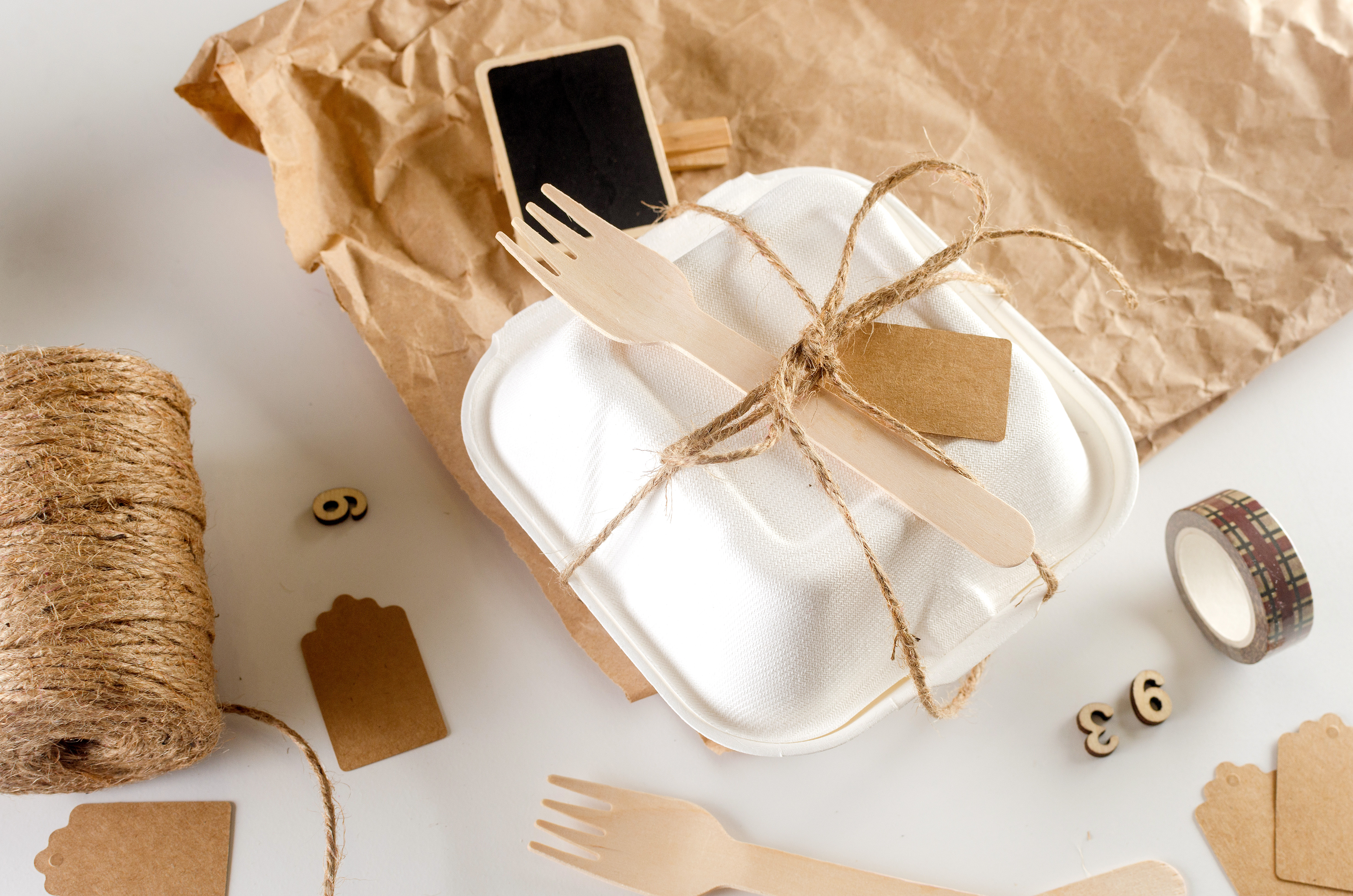
Packaging can change the way a meal feels once it leaves the kitchen. A salad, curry, burger, pasta or dessert will not travel the same way, especially if the order is placed in a bag, carried by hand or delivered later.
For food businesses, the best place to start is the menu. Texture, portion size, heat, moisture and travel time all affect what type of packaging makes sense. A practical setup for takeaway food containers should support the meal without making service harder for staff.
Start With How the Meal Behaves
Each dish has its own needs. Some are light and fresh, while others are hot, heavy, oily or saucy. Before choosing packaging, think about what happens after the meal is packed.
Useful points to consider include:
- Whether the dish is hot, cold or room temperature
- How much sauce, dressing or liquid it contains
- Whether crispness or separation matters
- How heavy the portion becomes once packed
- Whether customers usually eat it straight away or later
This is often more helpful than using one standard option across the whole menu. Two meals may look similar in size but need different support once served.
Match Shape to the Dish
Shape affects presentation and practicality. Flat meals may sit better in a shallow base, while rice dishes, noodles, pasta and saucy mains often need more depth.
If the container is too wide, the serving can look smaller than it is. If it is too shallow, the food can look squeezed in, and the lid may not close properly. For meals with layers or toppings, there also needs to be enough room so everything stays in place on the way to the customer.
Good food packaging for takeaway meals should help the dish sit naturally, not make it harder to serve well.
Think About Heat, Steam and Texture
Heat can change a meal quickly once it is packed. Steam may soften crispy items, while rich or oily dishes may need stronger packaging to help reduce leaks and mess.
This matters for fried items, hot mains, noodles, curries and meals with mixed textures. The aim is to keep the order practical to carry while helping the dish arrive in good condition.
For hot food takeaway containers, consider heat handling, lid security and how comfortable the order feels for the customer to hold.
Check the Lid Before Committing
A reliable lid is just as important as the base. If it feels loose, needs too much force or pops open during packing, it can cause problems during service.
This becomes even more important for delivery, catering and larger orders, where meals may be stacked, bagged or handled by more than one person.
A good lid should:
- Close without forcing
- Stay secure during normal handling
- Suit the weight and depth of the meal
- Help reduce spills
- Be easy for staff to apply quickly
Small issues here can slow service and affect how the customer receives the order.
Choose Sizes Around Real Portions
Packaging can affect how generous, neat or balanced a meal looks. The same portion may look well presented in one size and sparse in another.
This is why takeaway container sizes should be matched to actual menu items, not guessed from the outside. Staff need options that make portioning simple and consistent, especially during busy periods.
The right size gives the meal enough room to sit properly without making it look lost. It should also allow the lid to close cleanly without pressing down on the contents.
Consider Materials Without Ignoring Practical Use
Many businesses now think more carefully about packaging materials. Compostable, plant-based or recyclable options may suit a brand’s values and customer expectations.
Performance still matters. The material needs to suit the meal’s weight, warmth, sauce content and handling needs. A more responsible option is only useful if it also works during real service.
For compostable takeaway food containers, it helps to consider the dishes sold most often and how they behave once packed.
Keep the Range Easy for Staff
Too many packaging choices can make service harder. Similar sizes may get mixed up, lids may be mismatched, and staff may spend extra time deciding what to use.
A simpler system is usually easier to manage. Group the menu into clear packing needs, such as:
- Hot mains
- Fresh salads or cold dishes
- Saucy meals
- Sides and snacks
- Desserts
- Catering or shared orders
This makes the process easier to follow and reduces mistakes during busy shifts.
Think About Stacking and Carrying
Orders are often stacked before they leave the counter. They may also be placed in bags, handed to drivers or carried with drinks and side items.
Packaging that stacks neatly can help reduce movement and make larger orders easier to handle. This is useful for cafés, restaurants, caterers, food trucks and takeaway shops managing multiple orders at once.
Customers may not notice when everything works well, but they will notice if something leaks, shifts or feels awkward to carry.
Review Your Setup When the Menu Changes
Menus change over time. A new rice bowl, hot meal, dessert, shared tray or delivery option may need a different packing approach from the one already in use.
It is worth reviewing packaging whenever the menu shifts. The new item may have more height, sauce, weight or texture than existing dishes.
Businesses comparing takeaway containers for food businesses can look beyond size and consider how each option supports packing, transport, and serving.
Make the Meal Easier to Enjoy
The best packaging does its job quietly. It holds the meal securely, suits the portion, opens easily and helps the order look presentable when the customer is ready to eat.
Atlas Packaging Hub supplies practical food packaging for Australian food businesses, including cafés, takeaways, caterers and hospitality operators. Businesses reviewing takeaway containers can consider the full meal experience, from kitchen packing to transport and serving.
When the packaging suits the menu, orders become easier to prepare, easier to carry and easier for customers to enjoy.