Every week you can find the best discounts here.





What Food Businesses Should Consider When Selecting Disposable Cutlery
Disposable cutlery may seem like a small detail, but customers notice it when it does not work well. A flimsy fork, awkward spoon or missing serving utensil can make a takeaway meal harder to enjoy, even when the food itself is well prepared.
For food businesses, the goal is not to add more items to every order. It is to choose utensils that suit the meal, reduce unnecessary waste and make packing easier for staff. A more natural disposable cutlery setup should feel simple, practical and suited to the way the food is actually eaten.
Think About the Meal Texture First
Cutlery should match the food’s texture, not just the food type. A light salad, thick noodle dish, rice meal, dessert cup and saucy takeaway container all place different demands on a utensil.
Soft meals may only need a simple spoon or fork. Heavier dishes may need something sturdier. Meals with layers, sauces or larger portions may need a utensil that can reach properly into the container without bending.
This is a better starting point than choosing one standard option for every order.
Match the Utensil to the Container Depth
A utensil can be strong enough but still feel wrong if it does not suit the packaging. A short spoon in a deep bowl can be frustrating. A small fork may not work well with a large takeaway container. A knife may not be needed if the meal is already served in easy pieces.
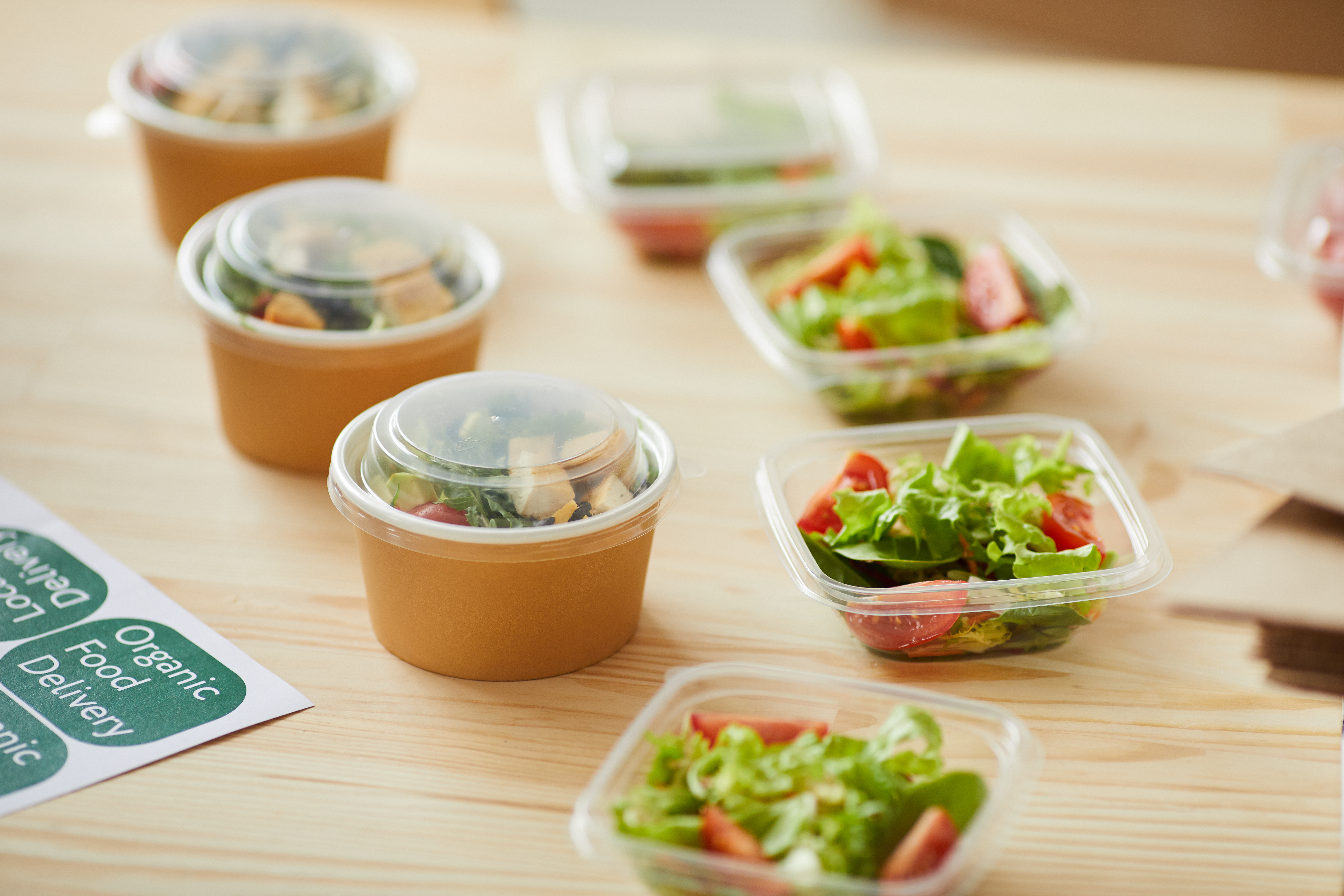
It helps to look at the full order together. The container, lid, napkin, bag and utensil should work as one practical setup.
This is especially useful for meals designed for takeaway, delivery or outdoor eating, where customers may not have anything else available.
Consider Whether the Customer Really Needs It
Not every order needs disposable cutlery. Some customers take food home, some already have utensils, and some menu items can be eaten by hand.
Adding cutlery automatically can increase waste and stock use. A more considered system may involve including utensils only with meals that clearly need them, or asking customers when appropriate.
This keeps the service practical without making the order feel incomplete.
Look at Strength Without Overdoing It
Stronger is not always necessary for every meal. A dessert spoon does not need the same strength as a fork used for a dense pasta or rice dish.
The better question is whether the utensil can handle the food comfortably. If it bends, snaps or feels awkward during normal use, it is not supporting the meal properly.
For practical takeaway cutlery, the right level of strength depends on the menu, portion size and how the food is likely to be eaten.
Think About Grip and Feel
Customers may use disposable cutlery while standing, sitting outside, eating at work or sharing food at an event. In those moments, comfort matters more than many businesses realise.
A utensil should feel easy to hold and not too sharp around the edges. It should also feel suitable for the meal, especially when customers are eating away from a table.
Small details like grip, shape and length can make the order feel more complete.
Keep Serving Items Separate From Individual Cutlery
Individual takeaway orders and shared catering orders often need different items. A fork or spoon may be enough for one meal, but larger trays may need serving spoons, tongs or extra napkins.
Keeping these categories separate can reduce packing mistakes. Staff can quickly see what belongs with a single meal and what belongs with a group order.
This helps avoid the common issue of sending individual utensils with food that actually needs proper serving items.
Choose Materials With Practical Use in Mind
Many food businesses now consider plant-based, compostable or biodegradable options. These may suit businesses wanting packaging choices that feel more aligned with their values.
The material still needs to suit the food. Hot meals, oily dishes, heavier portions and longer delivery times can all affect how the utensil performs.
Material choice should balance presentation, usability and the type of food being served.
Make Stock Control Easy
Cutlery is often ordered in bulk, but it can run out quickly without a clear system in place. Forks may disappear faster than knives. Spoons may only be used for certain menu items. Serving utensils may be needed mainly for catering.
Tracking these patterns can help avoid over-ordering some items and running short on others.
A simple stock check works better than guessing, especially for businesses with busy lunch periods, events or delivery orders.
Train Staff on When to Include What
Cutlery decisions should not depend on guesswork during a rush. Staff should know which menu items need a fork, spoon, knife, napkin or serving item.
This does not need to be complicated. A simple packing guide near the order station can help keep things consistent.
Clear habits reduce missed items and prevent unnecessary extras from being added to every bag.
Review Cutlery When the Menu Changes
New menu items can change what customers need. Adding rice bowls, desserts, salads, soups, or catering trays may mean the existing cutlery setup no longer fits.
It is worth reviewing utensils whenever the menu shifts. The right setup for sandwiches may not suit hot bowls, shared platters or saucy takeaway meals.
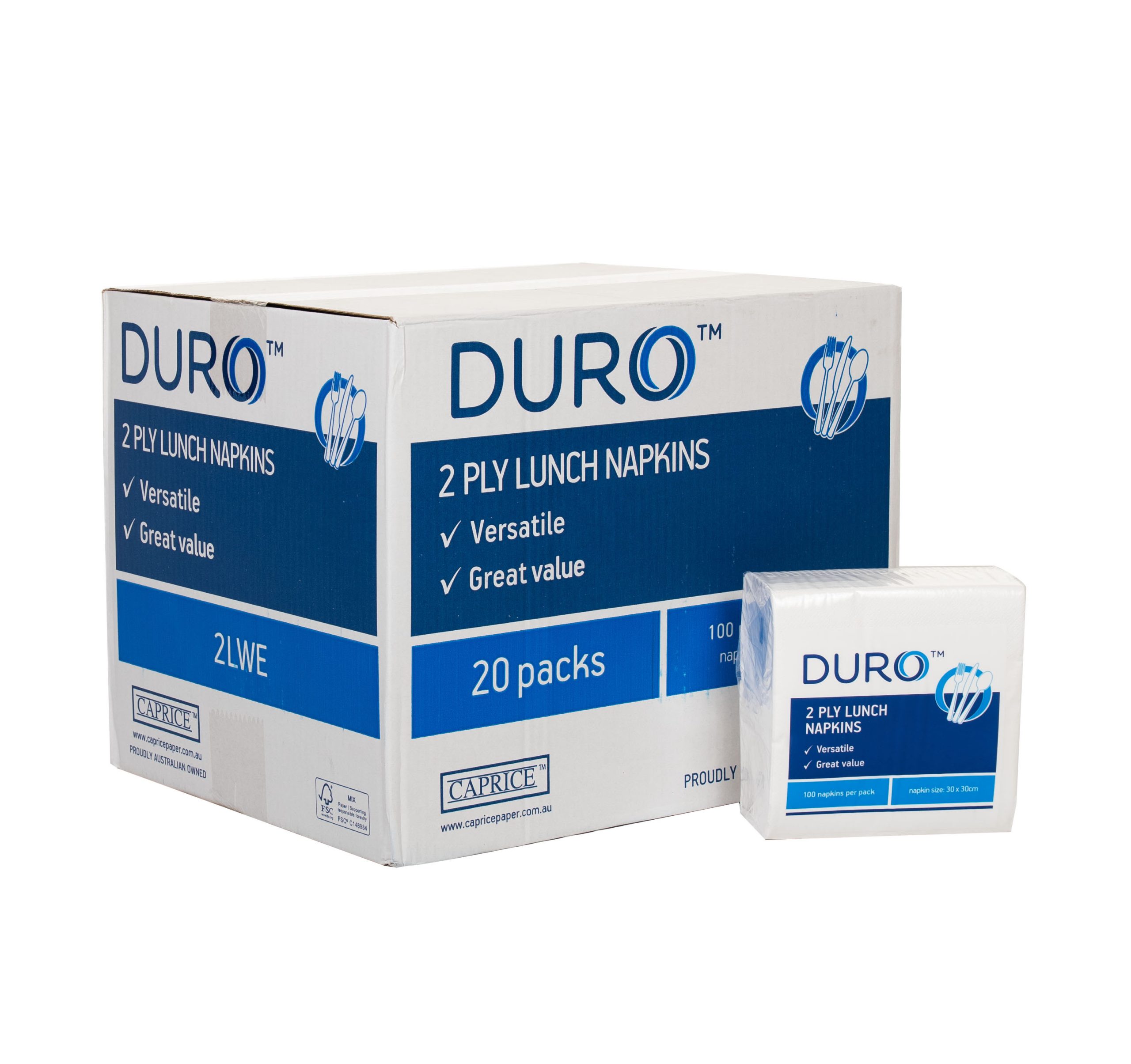
Businesses can consider cutlery and serving options as part of a broader packaging setup, alongside containers, bags and napkins.
Small Choices Can Improve the Meal Experience
Disposable cutlery works best when it feels almost unnoticed. Customers should be able to eat comfortably without thinking about whether the utensil is too weak, too short or missing from the order.
Atlas Packaging Hub supplies food packaging products for cafés, takeaways, caterers and food service businesses across Australia. For cutlery, the most practical approach is to choose items based on the meal, the container and the way customers are likely to eat.
When those details are considered, cutlery becomes less of an afterthought and more of a small detail that helps the whole order feel easier to enjoy.