Every week you can find the best discounts here.
Single Meal, Combo or Family Order: Choosing the Right Food Box Format
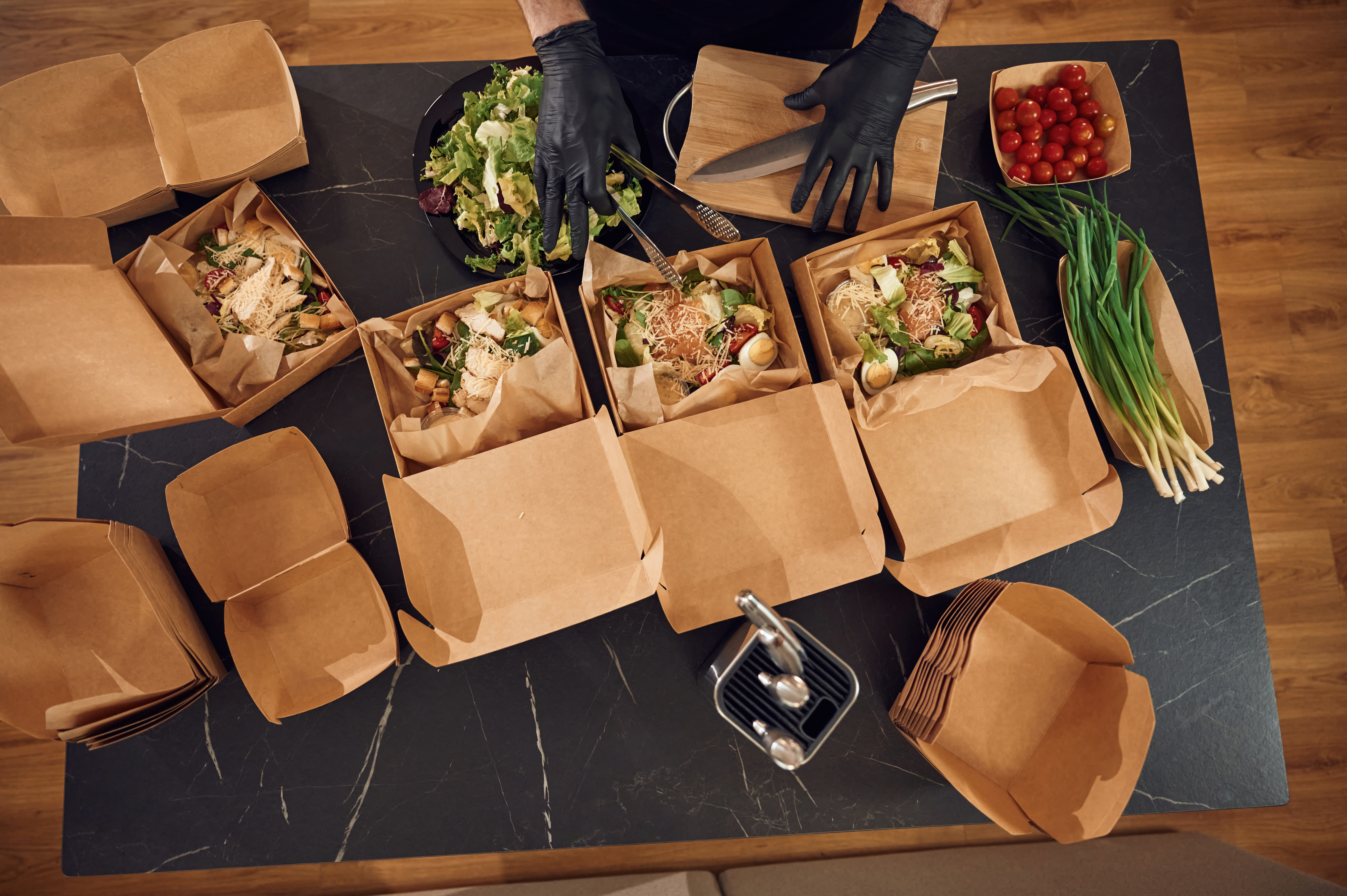
A single meal, a combo and a family order place different demands on packaging. The right box should make the order easy to pack, carry and hand over without using more packaging than the meal needs.
For cafés, takeaway shops and other food businesses comparing food boxes, it helps to choose formats based on how customers order, not just on individual menu items.
Single Meals Need a Straightforward Format
A single meal is usually easier to manage when everything fits neatly into one suitable box.
Burger boxes, dinner boxes and clamshells can all suit individual orders depending on the food being served. The main point is to avoid using a container that is much larger than the portion.
For a busy takeaway service, keeping one or two reliable formats for common single meals can also make packing quicker for staff.
Combo Orders Need Packaging That Works Together
A combo order often contains multiple items, so the boxes need to fit together as a complete set.
A main meal may use one box, with sides packed separately. What matters is whether those pieces stack well, fit into the same takeaway bag and remain easy to identify during handover.
This is where packaging size starts to affect more than presentation. Too many different shapes can make an otherwise simple order harder to pack.
For regular meal deals, it is worth testing the full combination rather than looking at each container on its own.
Family Orders Need More Capacity Without Becoming Awkward
Larger orders need enough room to hold several portions while still being practical to carry.
A family pack can be useful where food is intended to be shared or packed together. This can reduce the number of separate containers compared with packing every portion individually.
The format should still suit the way the meal is served. Shared food may work well in a larger box, while items that need to stay separate may be better packed in smaller units.
For takeaway businesses, the easiest family-order setup is usually one that staff can pack consistently during a busy service.
Compartment Boxes Work Best When Separation Matters
A compartment food box is useful when different parts of a meal need their own space.
For instance, a main course and the side dishes can be packed together without combining them into one section; this approach makes sense in the case of set meals, lunch specials, and other orders that are intended to be served as a single complete portion.
A three-compartment sugarcane clamshell is one example of this format currently available in the range.
There is little benefit in using compartments if the menu does not need them, so treat them as a specific packing option rather than the default for every meal.
Keep the Number of Box Formats Manageable
A smaller, well-planned range is often easier for staff to work with.
If several boxes are nearly the same size, it can be harder to remember which one belongs to each order. Stock also takes up more room, and similar products may be mixed up during service.
One practical approach is to organise the range around a few clear order types:
- individual meals
- burgers or handheld items
- combo orders
- shared or family meals
- meals that need separate compartments
That gives staff a simple packing system without forcing every menu item into exactly the same container.
Check How the Full Order Fits in a Takeaway Bag
The box is only one part of the finished order.
A combo or family meal may also include drinks, sides, napkins, cutlery or sauces. Once these are added, the overall package can become much larger than expected.
Before settling on a new food box format, pack a typical order as it would actually leave the counter. Check whether it stacks comfortably and whether the bag still feels easy to carry.
This is especially useful for delivery and larger takeaway orders.
Match Stock Levels to the Orders You Sell Most Often
The items you use every day should make up the main part of your stock. Since single meals make up the majority of orders, those formats will probably be processed more quickly than family packs. A takeaway business that regularly receives group orders will need a different balance.
Reviewing how each size is actually used can help avoid running short of the main boxes while slower-moving formats take up storage space.
The current category includes corrugated burger, hot dog, dinner, and family boxes, along with sugarcane clamshell options, so businesses can build a range of containers for different order sizes rather than relying on one container for everything.
Build the Range Around the Way Customers Order
The best food box setup is usually the one that follows real ordering patterns.
For individual meals, use a simple format, ensure the combo packaging complements one another, and keep the larger or compartmentalised options for cases where they are actually needed. This makes the range simpler to handle and gives the staff a clearer packing procedure.
Atlas Packaging Hub supplies food boxes and takeaway containers for cafés, restaurants, caterers and other Australian food businesses. The range includes corrugated meal boxes, family packs, burger boxes and sugarcane clamshells for different takeaway and delivery needs.