Every week you can find the best discounts here.
What Should Food Businesses Check Before Choosing Biodegradable Takeaway Containers?
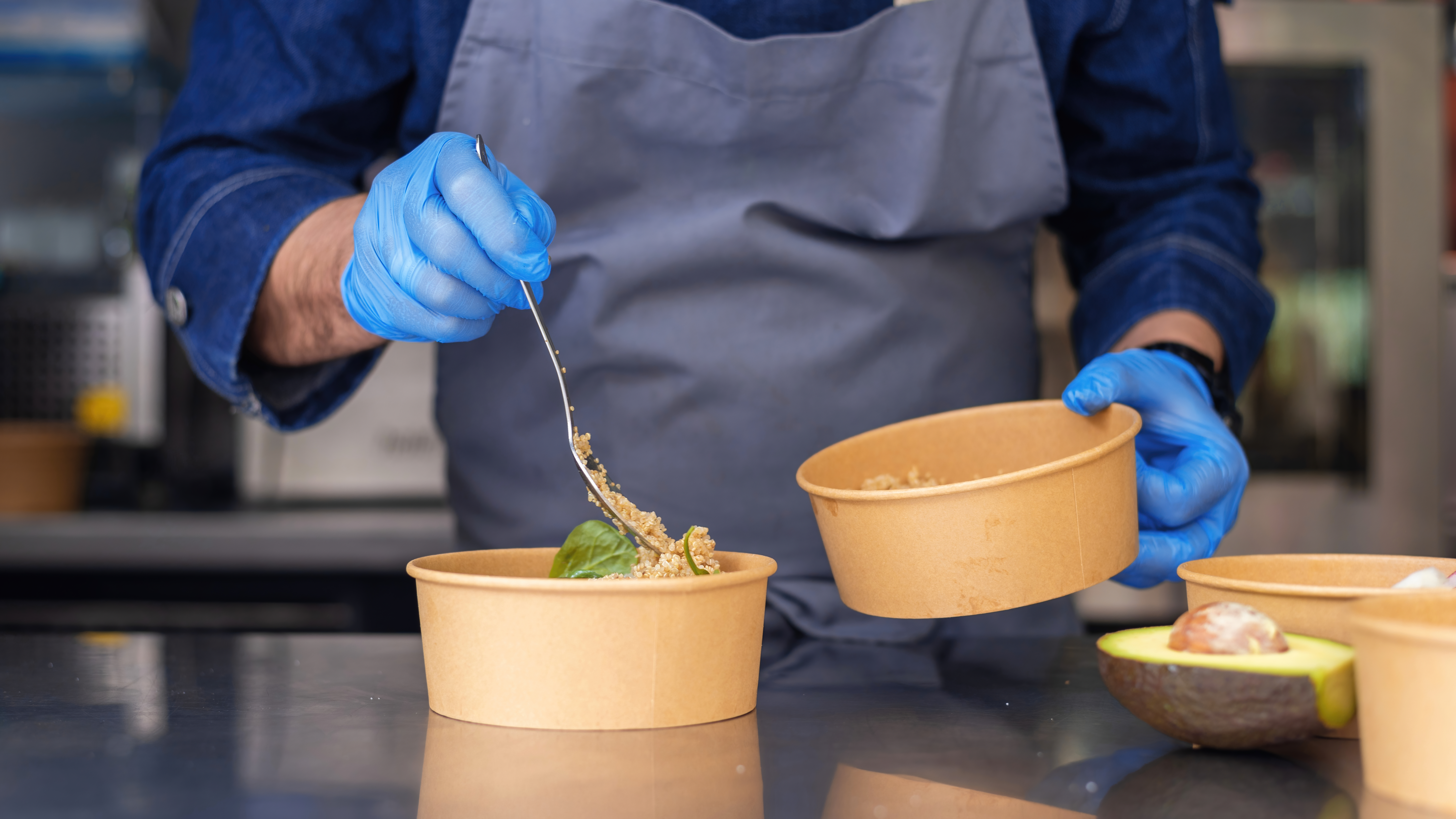
Biodegradable takeaway containers can be a practical option for cafés, restaurants, caterers and other food businesses, but the material still needs to suit the way the food is prepared, packed and served.
The word “biodegradable” should not be the only reason to choose a container. Strength, heat resistance, moisture handling, closure and storage all matter in day-to-day service.
For food businesses, the better approach is to assess how the packaging performs under real-world conditions before changing an entire menu.
Check What the Container Is Actually Made From
Start with the material rather than the label on the front of the pack.
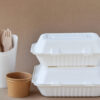
Some biodegradable food containers are made from sugarcane fibre, also known as bagasse. This material is used for clamshells and other foodservice packaging because it provides a firm structure while withstanding common takeaway conditions.
The important part is knowing what the packaging is made from and what it is designed to handle.
A container used for a dry sandwich does not face the same demands as one holding rice, meat, sauce and steam. Understanding the material helps narrow down where it is likely to perform well and where another option may be more suitable.
Test Strength With the Heaviest Meals You Serve
A container can feel strong when empty and behave very differently once it is full.
Dense meals such as rice dishes, pasta, curries and large takeaway portions can place significant pressure on the base, especially when staff carry several orders at once.
Before ordering in bulk, test the packaging with the heaviest meals you expect to serve.
Pick it up from different points, close the lid, stack another container on top, and move it as staff would during a normal service.
This gives a much better idea of whether the container stays firm enough for everyday use.
For delivery businesses, it is also worth checking how the packaging behaves once placed inside a paper bag or delivery box with other meals.
Consider Moisture Over Time
Moisture is one of the main factors affecting fibre-based food packaging.
Hot meals release steam after the lid is closed. Sauces, oils and dressings can also remain in contact with the base for some time before the customer eats the meal.
That does not mean biodegradable packaging cannot handle these foods. It means the expected holding time should be part of the decision.
A takeaway order collected and eaten within ten minutes has different requirements from a delivery meal that may remain packed for much longer.
Businesses should test containers over a realistic period, not just immediately after packing.
Look at whether the base softens, whether the edges remain stable and whether the closure stays secure.
Make Sure the Lid Works When the Container Is Full
Closure performance is easy to overlook until service gets busy.
A lid that closes perfectly when the container is empty may be harder to secure once the meal is full, especially when portions are close to the top edge.
This can create problems for staff and increase the risk of spills during transport.
Test the closure using normal serving portions. Check whether the corners stay shut, whether the top flexes under weight and whether stacked containers remain stable.
This is particularly important for takeaway and delivery orders, where containers may be moved several times before reaching the customer.
A good base with a poor closure is still the wrong packaging choice.
Think About Storage and Service Speed
Packaging also needs to work before the food goes into it.
Foodservice businesses often store large quantities of containers close to preparation areas, so stack height and storage space matter.
The packaging should be easy for staff to separate quickly during busy periods. If containers stick together, take too long to close, or require repeated adjustments, it slows the packing process.
This may seem minor during testing, but small delays become more noticeable during a lunch or dinner rush.
For cafés, takeaway shops and catering businesses, packaging should support the workflow rather than create another task for staff to manage.
Match Sustainability Claims to the Product You Are Buying
Environmental claims should be clear and specific.
Terms such as biodegradable, compostable and recyclable are not interchangeable. They describe different end-of-life pathways and may depend on the material and disposal conditions.
Food businesses should check the product information rather than relying on assumptions about how a container should be disposed of.
It is also worth being careful with customer-facing claims.
If a container is made from sugarcane fibre or another plant-based material, describe it accurately rather than using broad environmental language that the product information does not support.
Clear wording helps avoid confusion and makes it easier for customers to understand what type of packaging they are receiving.
Choosing Biodegradable Takeaway Containers for Food Service
The best choice usually comes down to how the container performs with your actual food, not how it looks on a product page.
Atlas Packaging Hub supplies biodegradable takeaway containers, including sugarcane fibre options for cafés, takeaway shops, caterers and other foodservice businesses in Melbourne and across Australia.
Before switching packaging across a full menu, it is worth testing a few of the most demanding meals first. Use the normal portion size, keep the food packed for a realistic amount of time and check the base, lid and overall stability.
If the container performs well under those conditions, it is much easier to decide whether it is suitable for regular service.