Every week you can find the best discounts here.




How Should Food Businesses Test Takeaway Containers Before Ordering in Bulk?
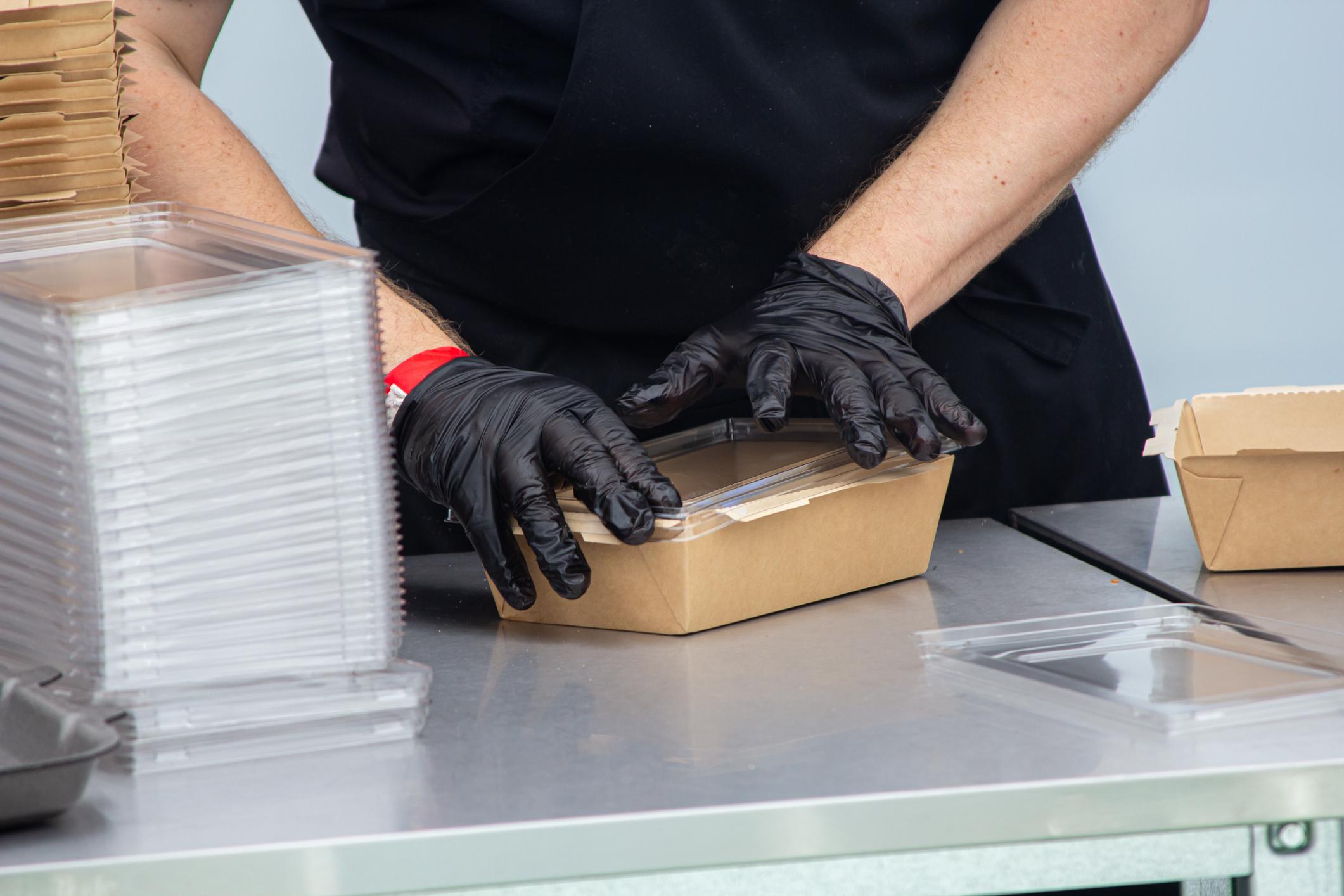
Before ordering takeaway containers in larger quantities, food businesses should test them with the meals, service conditions and handling they will actually face.
A container may look suitable when empty but perform differently once it is filled with hot food, stacked, carried or kept closed for 20 to 30 minutes.
Testing a small quantity first can help identify problems with strength, lid fit, portion size, and storage before they become bigger issues during service.
Start With the Hardest Meals to Pack
The best place to start is with the meals that place the most pressure on the packaging.
That usually means heavier portions, foods with sauce or oil, meals that release a lot of steam, or dishes with several components packed together.
If a container can handle those meals well, it is more likely to work for lighter items too.
Use the normal serving size rather than a smaller test portion. Fill the container the same way staff would during a real order and check whether the base remains firm once the food is inside.
For businesses serving a varied menu, it can also help to test multiple container sizes rather than trying to make a single format work for everything.
Check the Fit Before Looking at Anything Else
Portion fit is one of the simplest things to test, but it affects almost everything else.
The container should hold the meal without being overfilled, while still leaving enough room for the lid to close properly.
If the food sits too high, sauces and toppings may press against the lid. If the container is too large, the meal may move around more during transport, creating unnecessary empty space.
A good fit should make the food easy to pack, close and carry.
This is particularly important during busy periods, when staff need to work quickly and cannot spend extra time adjusting portions just to close the packaging.
Test the Lid With a Real Order Inside
The lid must be tested when the container is full, not just when it is empty.
Certain closures may seem secure on the bench but become more difficult to seal once the food is hot or the container is under more pressure.
Check whether the corners stay closed, whether the lid lifts when the container is moved and whether staff can secure it without pressing down excessively.
Then carry the packed container the way a customer or delivery driver would.
Turn it slightly, place it in a takeaway bag and move it around enough to see whether the closure stays reliable.
For meals with sauce or liquid, this step can reveal problems that are not obvious during a basic product check.
Leave the Food Packed for a Realistic Amount of Time
Immediate performance only tells part of the story.
A meal may sit in its container for several minutes before collection, then spend additional time in a vehicle or delivery bag.
Test the packaging over a realistic holding period.
After 10, 20 or 30 minutes, check whether the base has softened, whether moisture has collected inside and whether the lid is still holding properly.
For hot food, look at how the steam has affected both the packaging and the meal.
This matters because a container that performs well for counter service may not behave the same way during longer delivery runs.
Stack the Containers the Way Staff Normally Would
Takeaway packaging rarely moves in one-unit increments.
During a busy service, several meals may be stacked on a bench, inside a bag or in a catering box.
Test that situation before buying in bulk.
Place two or three filled containers on top of each other and check whether the lower ones start to flex. Make sure the lids do not collapse under the weight above them.
Also, check whether the stack remains stable when carried.
This is especially useful for caterers and takeaway businesses that handle several orders at once, where poor stacking can slow service or increase the risk of spills.
Let Staff Test the Packaging Too
The people using the containers every day should be part of the test.
Find out from the staff whether the packaging is easy to separate from the stack, fill, and close without extra effort.
A container may perform well from a food perspective but still create problems if it sticks together, takes too long to assemble or is awkward to store near the preparation area.
Small delays can become noticeable during lunch or dinner rushes.
Staff feedback can often identify these issues faster than a simple product test because they are the ones working with the packaging under pressure.
Check Storage Before Increasing the Order Size
Bulk ordering can reduce the number of times packaging needs to be reordered, but it also requires more storage space.
Before increasing quantities, check how much space the cartons use and where they will be stored.
Containers should stay dry, clean and easy to access. If boxes are stored too far from the packing area, staff may spend unnecessary time restocking during service.
It is also worth checking how many units fit in the available space.
A product that works well during service but creates storage problems may not be the best option for the business overall.
Test More Than Once Before Making the Final Decision
One successful meal is not enough to judge a container.
Try the packaging across several orders and, where possible, during a normal service period.
Different meals, staff members and handling conditions can expose different issues.
Keep the test simple. Note which meals were packed, how long they stayed closed, whether the lids held, whether the base softened and whether staff found them easy to use.
That gives you a more reliable basis for deciding whether the packaging is ready for a larger order.
Choosing Takeaway Containers for Regular Food Service
Testing before placing a bulk order can help reduce waste, avoid service problems, and make it easier to match the packaging to how the food is actually sold.
Atlas Packaging Hub supplies takeaway containers for cafés, restaurants, takeaway shops, caterers and other foodservice businesses in Melbourne and across Australia.
If you are reviewing a new container, start with a smaller quantity and test it using your real menu, normal portion sizes and typical delivery or collection times. Once the packaging has performed consistently under those conditions, you can order larger quantities with much more confidence.