Every week you can find the best discounts here.




Practical Takeaway Packaging Tips for Food Trucks and Caterers
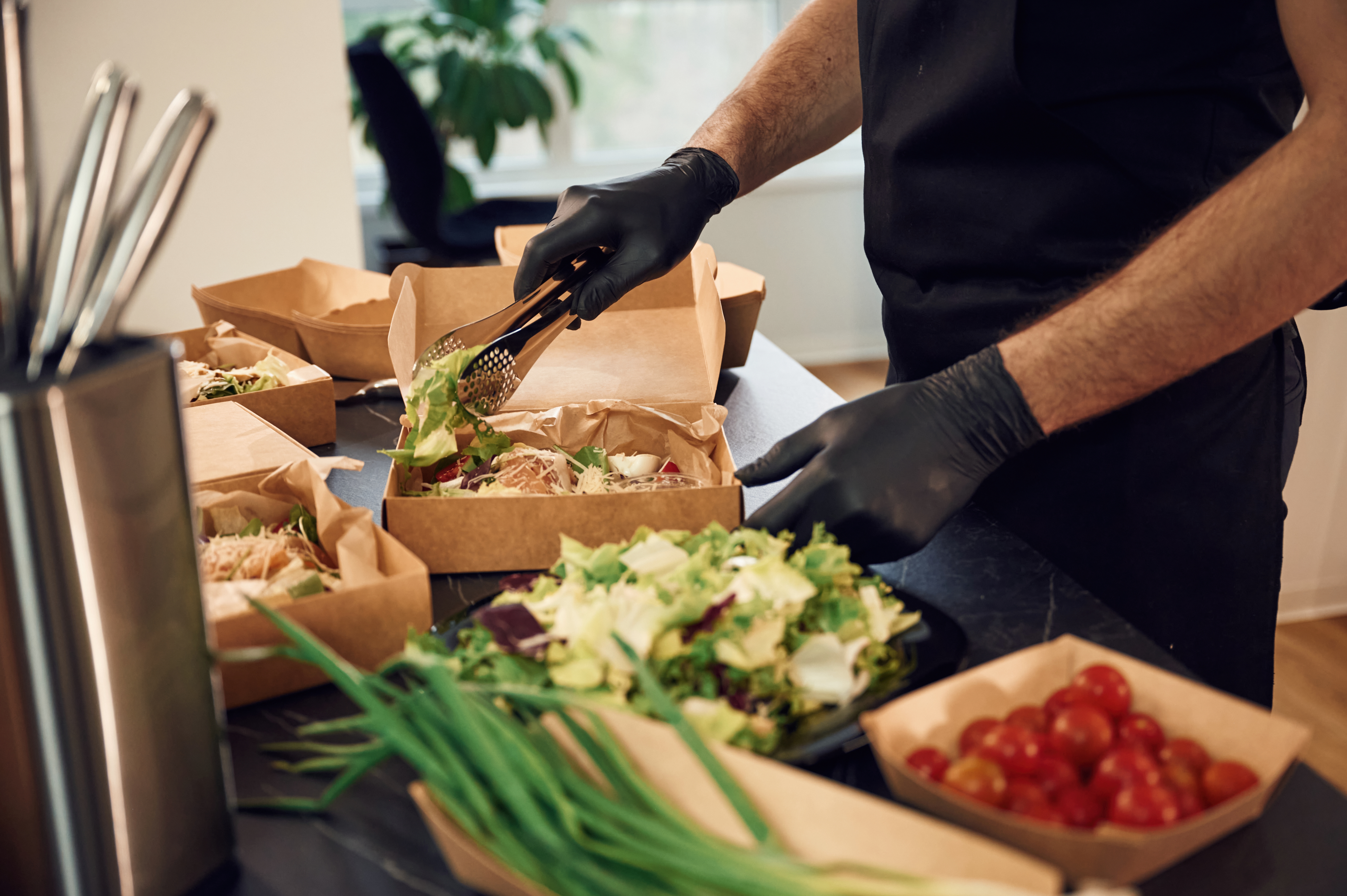
Food trucks and catering teams often operate in fast-paced environments. Orders may need to be packed quickly, carried across an event site, delivered to a nearby office or served outdoors where space is limited. In those settings, packaging needs to do more than look neat. It needs to make the service easier.
Good planning can help reduce spills, slowdowns and last-minute confusion. The aim is not to use more packaging than necessary, but to choose items that suit the meal, the setting and the way customers will eat. With the right approach, takeaway packaging for food trucks and caterers can feel practical, organised and easy to manage.
Start With the Service Setting
A food truck at a busy market will not use packaging the same way a caterer does at a corporate lunch. Before choosing anything, consider where the food will be served, how it will be served, and how people are likely to eat it.
Helpful questions include:
- Will customers eat standing up, seated or on the move?
- Will orders be packed individually or shared between groups?
- Will meals need to travel before being eaten?
- Is the service area tight, outdoor or exposed to weather?
- How quickly will orders need to move from prep to customer?
These details can shape everything from container size to bag choice, cutlery, napkins and lids.
Choose Packaging That Matches the Meal Style
Not every dish needs the same type of support. A wrap, rice bowl, burger, salad, curry, pasta or dessert all behave differently once packed.
For food trucks, packaging often needs to be easy to hold and eat from without a full table setup. For catering, it may need to stack neatly, travel well and stay presentable when unpacked.
This is where food truck packaging ideas should be based on real use rather than appearance alone. The best option is usually the one that helps the meal stay tidy, stable and easy to serve.
Keep the Packing Process Simple
When service gets busy, staff should not need to think too hard about what goes with each order. A clear system helps reduce missed items and keeps the line moving.
One useful approach is to group packaging by meal type. For example:
- Bowls and mains
- Burgers, wraps or handheld items
- Sides and snacks
- Desserts
- Shared trays
- Cutlery and napkins
This can make the setup easier to follow, especially when casual staff or event teams are helping during peak periods.
Use the Right Size for the Portion
Oversized packaging can make meals look small or shift around during transport. Packaging that is too tight can squash food, make lids harder to close or cause a mess when opened.
The right size gives the meal enough room to sit properly while still looking full and intentional. This is especially important for dishes with toppings, sauces or layers.
A good portion fit also helps staff pack more consistently, which can make service feel smoother during high-volume periods.
Pay Attention to Lids and Closures
A weak lid can undo the effort that went into preparing the meal. If it pops open, leaks or needs force to close, it can slow service and create an avoidable mess.
This matters for hot meals, saucy dishes, delivery orders and catering trays. A lid should be easy for staff to apply, secure enough for normal handling and suitable for the food inside.
Before committing to a packaging setup, it is worth testing how the lid performs once the meal is actually packed, not just when the container is empty.
Plan for Hot, Fresh and Saucy Foods Separately
Different foods need different packing decisions. Hot meals may need packaging that handles warmth well. Fresh items may need enough space to avoid wilting or crushing. Saucy dishes need a setup that helps reduce leaks.
A single packaging type may not suit every menu item. Instead, think in broad groups:
- Hot mains that need sturdy packaging
- Fresh meals that need presentation space
- Saucy items that need secure lids
- Crispy foods that may soften if too much steam is trapped
- Shared food that needs serving support
This keeps the system flexible without making it overly complicated.
Do Not Forget the Small Items
Cutlery, napkins, sauce cups and serving tools can easily be missed during a rush. They may seem minor, but customers notice when they are missing.
For caterers, these details matter even more because group orders often need more than individual utensils. Serving spoons, tongs, or extra napkins may be needed depending on the menu.
Keeping these items close to the packing area can help staff complete orders without leaving the station.
Choose Materials That Suit the Job
Many businesses now consider compostable, recyclable or plant-based options as part of their broader packaging choices. These can be useful, but the material still needs to suit the food and service style.
A good option should handle the meal properly, feel suitable for customers and fit the way the business operates. For takeaway packaging supplies for events, practical performance should sit alongside presentation and material preference.
The best choice is one that works in real conditions, not just on a product list.
Review What Worked After Busy Service
After a busy event or catering order, it helps to note what worked and what caused problems. Maybe a lid was difficult to close, a container was too shallow, bags were overloaded, or staff kept reaching for a different size.
These small observations can improve the next service. A quick review can help refine stock levels, packing steps and the range of items kept on hand.
Packaging decisions become easier when they are based on actual service experience.
Make Every Packed Order Easier to Handle
Good packaging should make the job easier before the customer even sees the meal. For a food truck, that might mean faster handover during a rush. For a caterer, it might mean fewer spills, neater trays and less confusion when serving a group order.
Atlas Packaging Hub can help food businesses think through the practical side of packaging, from how meals are carried to how they are opened, shared and eaten. When the setup suits the way service actually works, small details like lids, containers and serving items become much easier to manage.
The better the packing system, the less time staff spend fixing avoidable problems during busy service.